
Flying Without Pilots or GPS: AI-Powered Unmanned Aircraft, a Game Changer for Korea’s Aviation Industry
- 2026-11-04
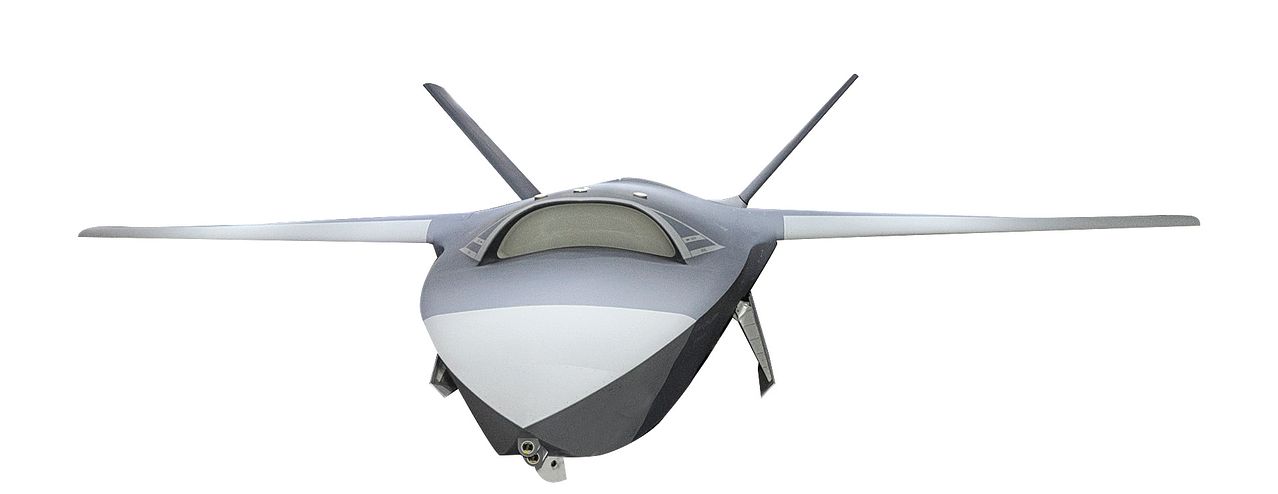
▲ Prototype of Korean Air’s Low Observable Unmanned Wingman System (LOWUS) currently under development. [Photo: Korean Air / Source: JoongAng Ilbo]
Advances in artificial intelligence (AI) are driving growth in the military unmanned aircraft market, where drones can autonomously carry out missions without pilots or GPS. AI-driven digital transformation is also rapidly advancing in the aircraft maintenance, repair, and overhaul (MRO) sector.
In this regard, Professor Kim Kwang-ok of the Department of Aviation Management at Korea Aerospace University analyzed that defense, unmanned aircraft, and MRO businesses could become new growth areas driving the sustainable development of aviation companies. He particularly noted that these businesses, which are based on long-term contracts, can provide more stable revenue structures compared with air transportation services.
Professor Kim emphasized that, to turn these growth opportunities into tangible export achievements, Korean aviation companies must systematically develop AI technologies that reflect the demands and characteristics of overseas markets. Rather than focusing solely on developing hardware such as unmanned aircraft and maintenance equipment, companies need to secure technological competitiveness tailored to the industrial environments and operational objectives of each country.
He also suggested that securing skilled professionals with expertise in both hardware and software is essential to strengthening the competitiveness of the AI-driven aviation industry. To respond to the rapidly changing aviation industry landscape and remain competitive in global markets, continued investment in AI talent development is necessary alongside technological advancement.

76, Hanggongdaehak-ro, Deogyang-gu, Goyang-si, Gyeonggi-do, 10540, Korea
Phone - +82-2-300-0114 FAX - +82-2-3158-5769 E-mail - webmaster@kau.ac.kr
COPYRIGHT 2022 Korea Aerospace University. All right reserved.